
Web3 for iGaming Operators
The casino problems Web3 actually fixes.
Banking rejection, slow payouts, fairness disputes, geo-blocks, FX fees. Every operator hits these walls. Web3 isn't a buzzword — it's a different infrastructure that removes them.
Six problems Web3 solves for casino operators
Specific, not abstract. These are the friction points that kill traditional iGaming margins — and what changes when the rails are crypto-native.
Pain
Banks reject your gambling merchant account
Fix
Borderless crypto rails — players deposit and withdraw without a single bank in the loop.
Pain
Withdrawals take 3–7 days through traditional rails
Fix
On-chain settlement clears in seconds to minutes. Faster payouts = higher player retention.

Pain
Players argue "is your RNG actually fair?"
Fix
Provably-fair mechanics. Every spin is verifiable on-chain. Disputes drop to near zero.
Pain
Geo-blocked from half your potential market
Fix
Crypto wallets are permissionless. Reach players in 100+ countries from day one.
Pain
Manual payout approvals eat your ops team's day
Fix
Smart-contract logic auto-releases funds when conditions are met. Fewer humans, fewer errors.
Pain
Currency conversion fees eat 3–5% per transaction
Fix
Native crypto means no FX layer. Players pay in their wallet currency, you settle in yours.
How money moves through Casixno
Five steps. No middlemen between you and the player's wallet.
- 1
Player
Connects an existing crypto wallet — MetaMask, Trust, WalletConnect.
- 2
Wallet → Casino
Stablecoin deposit (USDT/USDC) confirmed on-chain in seconds.
- 3
Game
200+ providers — provably-fair mechanics where supported.
- 4
Settlement
Smart-contract logic auto-releases payout on win condition.
- 5
Operator
Real-time dashboard. Every bet, every payout, every player visible.
No bank. No payment processor. No 3-day wait. The stack does in 5 steps what traditional iGaming does in 30.
How Casixno's Web3 stack is wired
Not a black box. Here's the actual infrastructure that powers your operator dashboard, player wallets, and settlement layer.
Wallets
MetaMask, Trust, WalletConnect — players use what they already have.
Settlement
USDT/USDC on Tron, BSC, and Ethereum. Stablecoin = no volatility for either side.
Game providers
Crypto-native studios (BGaming, Hacksaw, Spinomenal) alongside traditional providers.
Treasury
Multi-sig hot/cold wallet split. You control the keys, not a custodian.
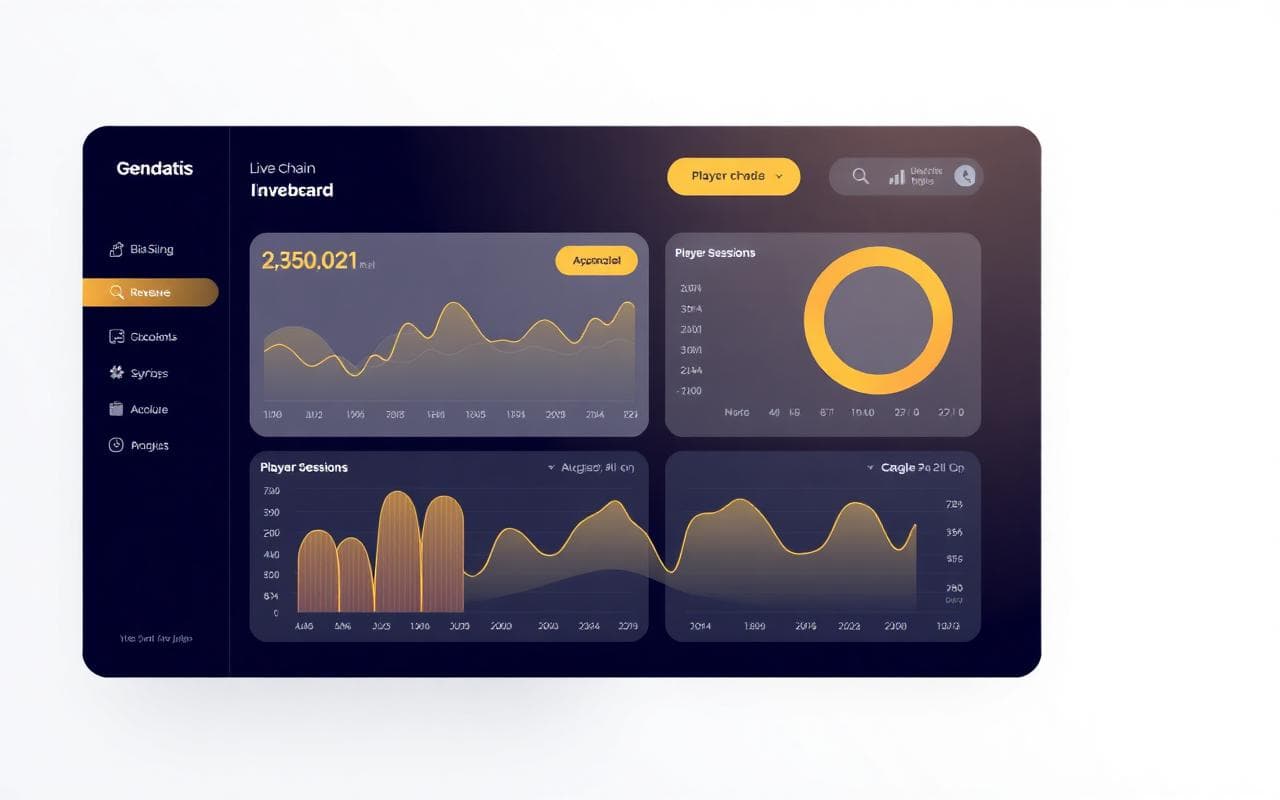
What you see
Real operator dashboard. Real-time data.
- Live revenue + NGR breakdown
- Per-player session, deposits, withdrawals
- On-chain settlement status by transaction
- Affiliate downline tracking — 5 levels deep
Side by side
Traditional iGaming vs Web3-native — same business, different rails. The numbers tell you why operators are migrating.
Onboarding
Traditional
KYC + bank verification — 2–7 days per player
Web3-native
Wallet connect — under 30 seconds
Deposits
Traditional
Card declines, chargebacks, bank holds
Web3-native
On-chain confirmation, no chargebacks possible
Withdrawals
Traditional
Manual review + 3–7 day settlement
Web3-native
Auto-release, settles in minutes
Geographic reach
Traditional
Limited by banking corridors and licenses
Web3-native
Wherever players have internet + a wallet
Operating cost
Traditional
3–5% payment processing + FX fees
Web3-native
Network fees only — often under 1%
Fairness disputes
Traditional
"Trust us, our RNG is audited"
Web3-native
Verifiable on-chain — no dispute possible
Scores reflect typical operator experience — directional, not regulatory benchmarks.
You can keep fighting traditional rails. Or build on the rails that already work.
Casixno gives you the Web3 stack pre-wired — wallets, settlement, providers, and operator tooling. You bring the brand and the players. We've removed every integration step.
Live in 6 minutes. KAM contacts you within 1 hour.